
AI-generated lookbooks are evolving quickly, but applying them directly to fashion workflows still comes with a familiar issue: the clothes don't stay the same.
Even when the model and background look convincing, the garment often changes in subtle—but critical—ways. To explain this clearly, I’ll break down what we observed using the following test garments.
1. Why AI Tends to Alter the Garment
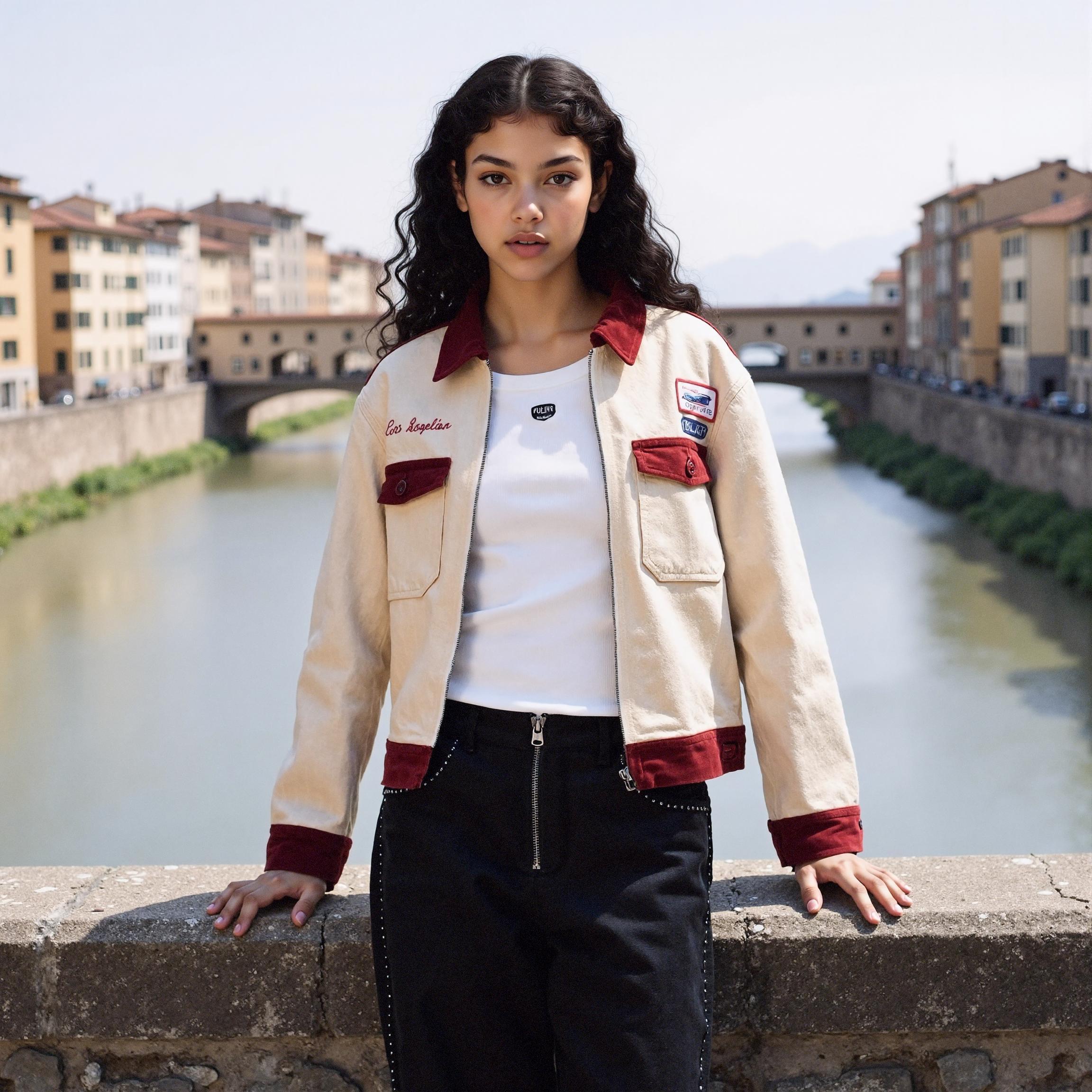
Most generative models recreate “visual impressions” rather than the exact structural information of clothing. Because of that, minor distortions accumulate easily, especially in areas with stitching, embroidery, typography, patches, or complex texture transitions.
The following garments were used to test this behavior, and they illustrate the issue well.
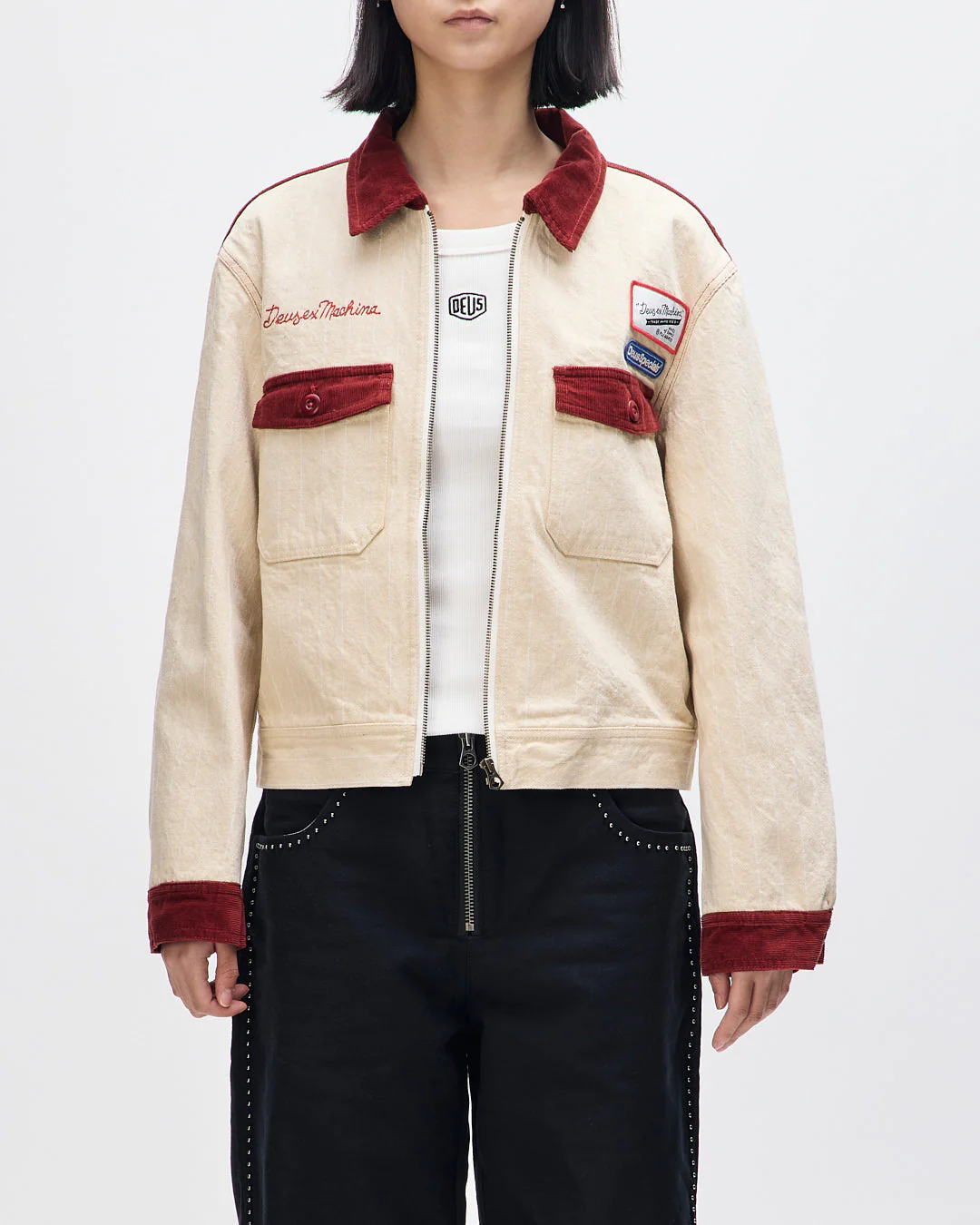
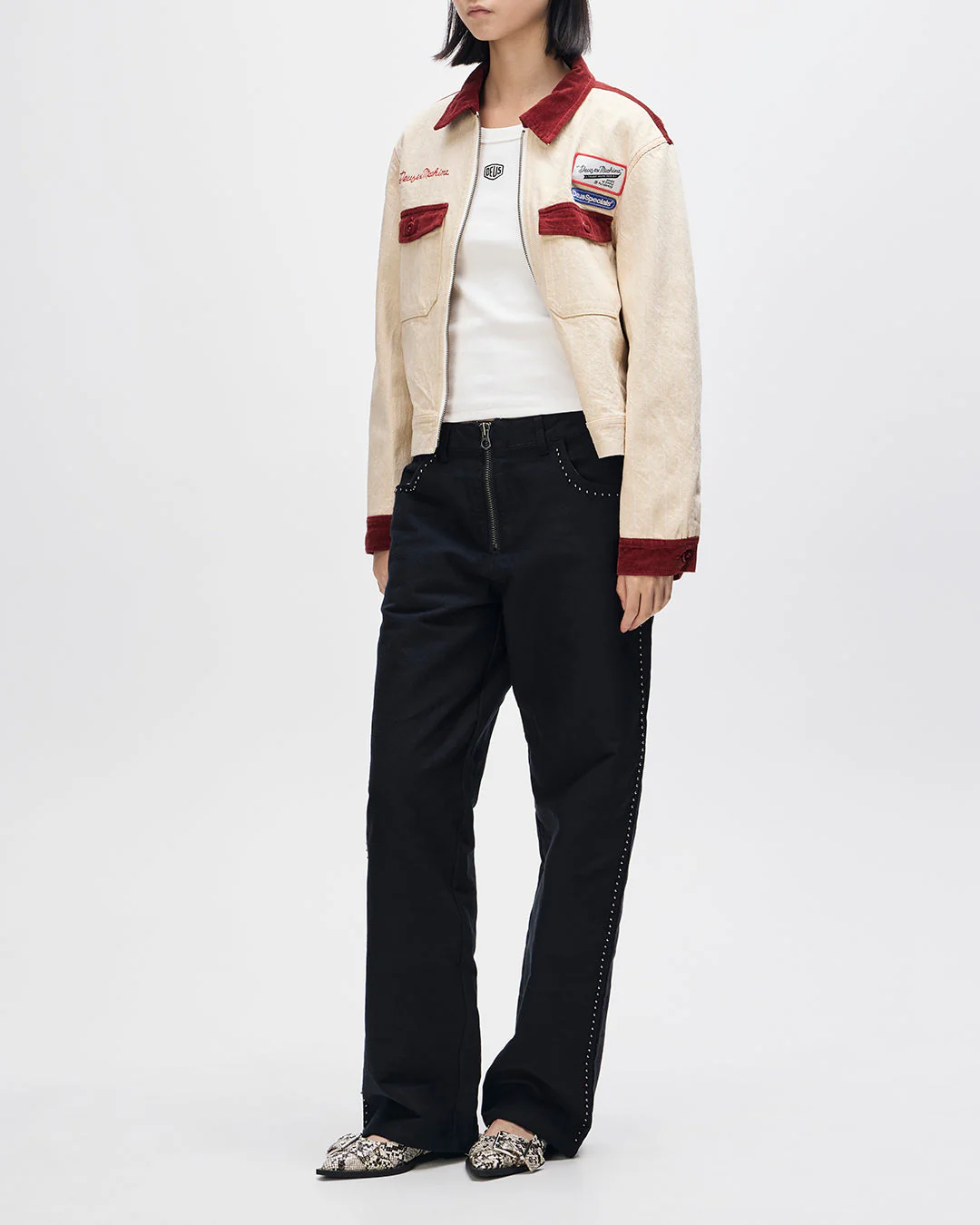
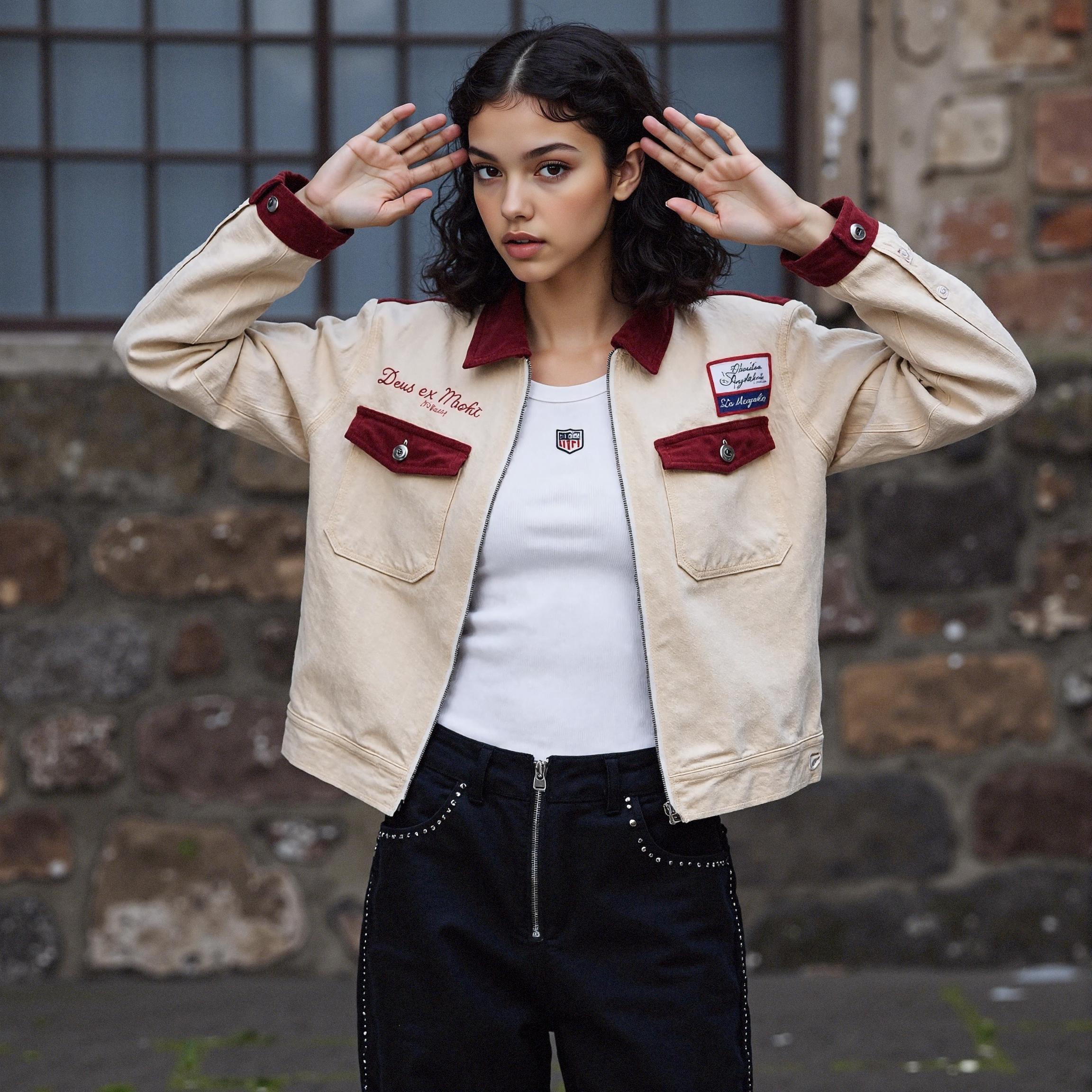
And as expected, even in the images generated with LaonGEN during this test,
these distortions appeared repeatedly.
Common issues included:
- Shifted or reshaped embroidery
- Patch placement that doesn’t match the original
- Colors bleeding between collar, pocket, and body
- Missing or softened stitching lines
- Text that mutates with each generation step
At a glance, the differences may feel small. But in fashion imagery—where product correctness is directly tied to sales—these inconsistencies become impossible to ignore.


2. What These Distortions Mean in Practice
AI outputs often go through multiple rounds of refinement:
background swaps, lighting adjustments, pose alignment, and so on.
Each iteration introduces the possibility of additional drift.
If the garment doesn’t stay identical, the final images can end up looking like entirely different products.
For fashion teams, this leads to:
- More manual retouching
- Loss of product identity
- Difficulty maintaining consistency across a lookbook
- Reduced trust in AI outputs for commercial use
This is why brands repeatedly describe the same pain point:
“The result looks great—but the clothes aren’t the same.”
3. How LaonGEN Approaches the Problem Differently
Instead of accepting these distortions as a given,
LaonGEN focuses first on fashion-specific stability—keeping the garment true to its original structure.
This means:
- Reinforcing the silhouette
- Preserving seam lines and stitching
- Maintaining patch and embroidery coordinates
- Holding typography and logo shapes stable
- Preventing color bleed or unwanted blending
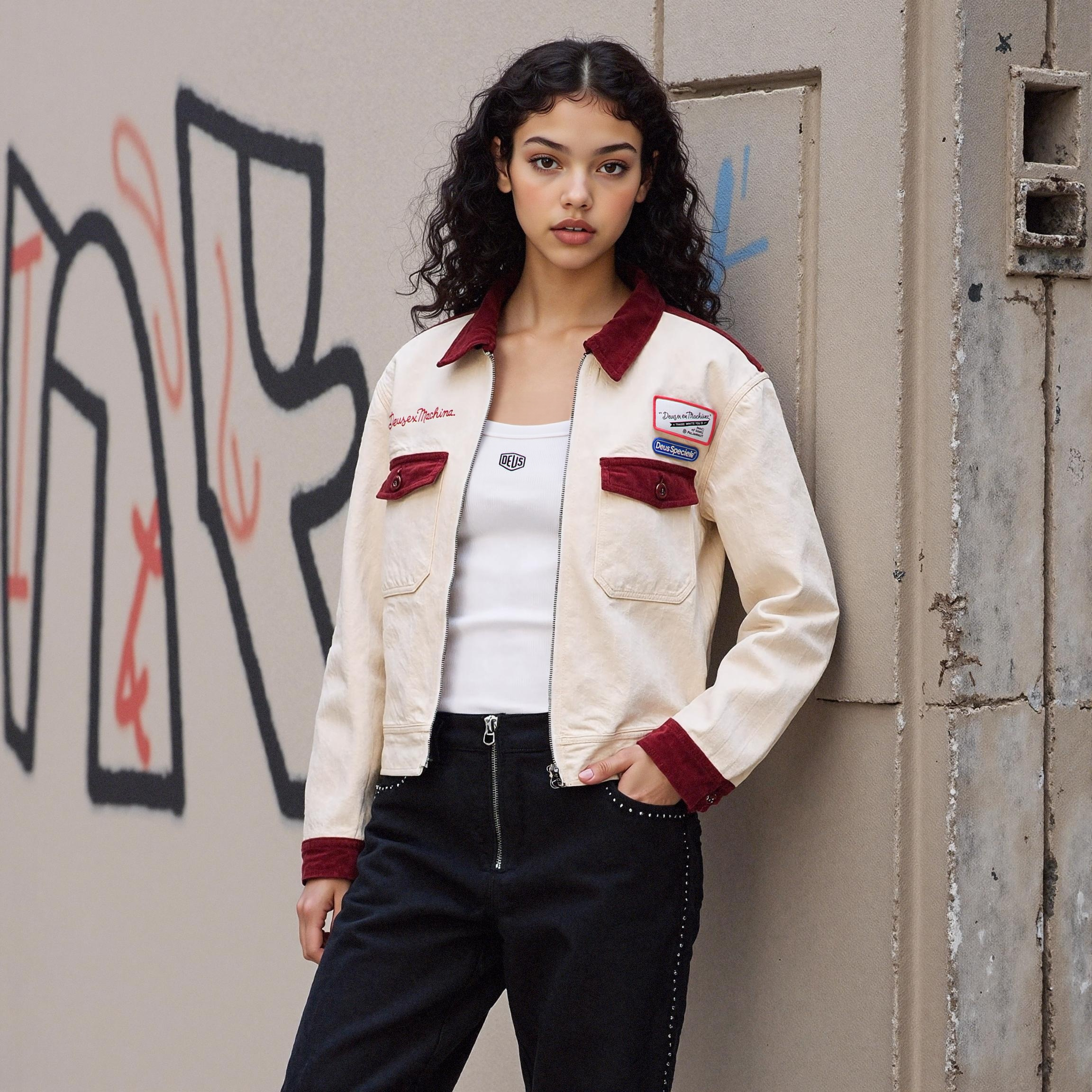
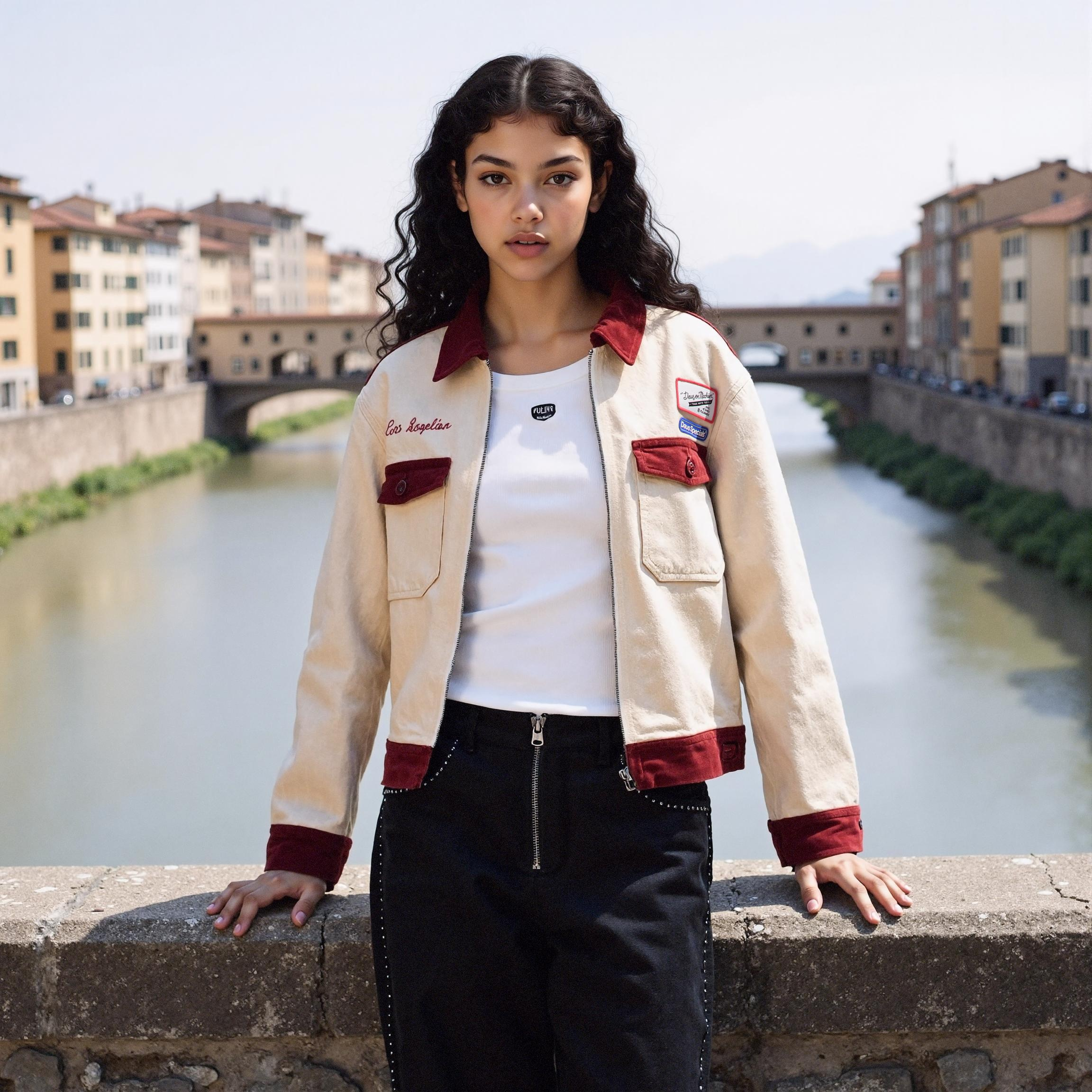
When distortions did occur in the test images,
LaonGEN’s detail-correction workflow allowed them to be restored step by step.
For example in one garment, the left embroidery was corrected first, and the right patch was restored in the next step.

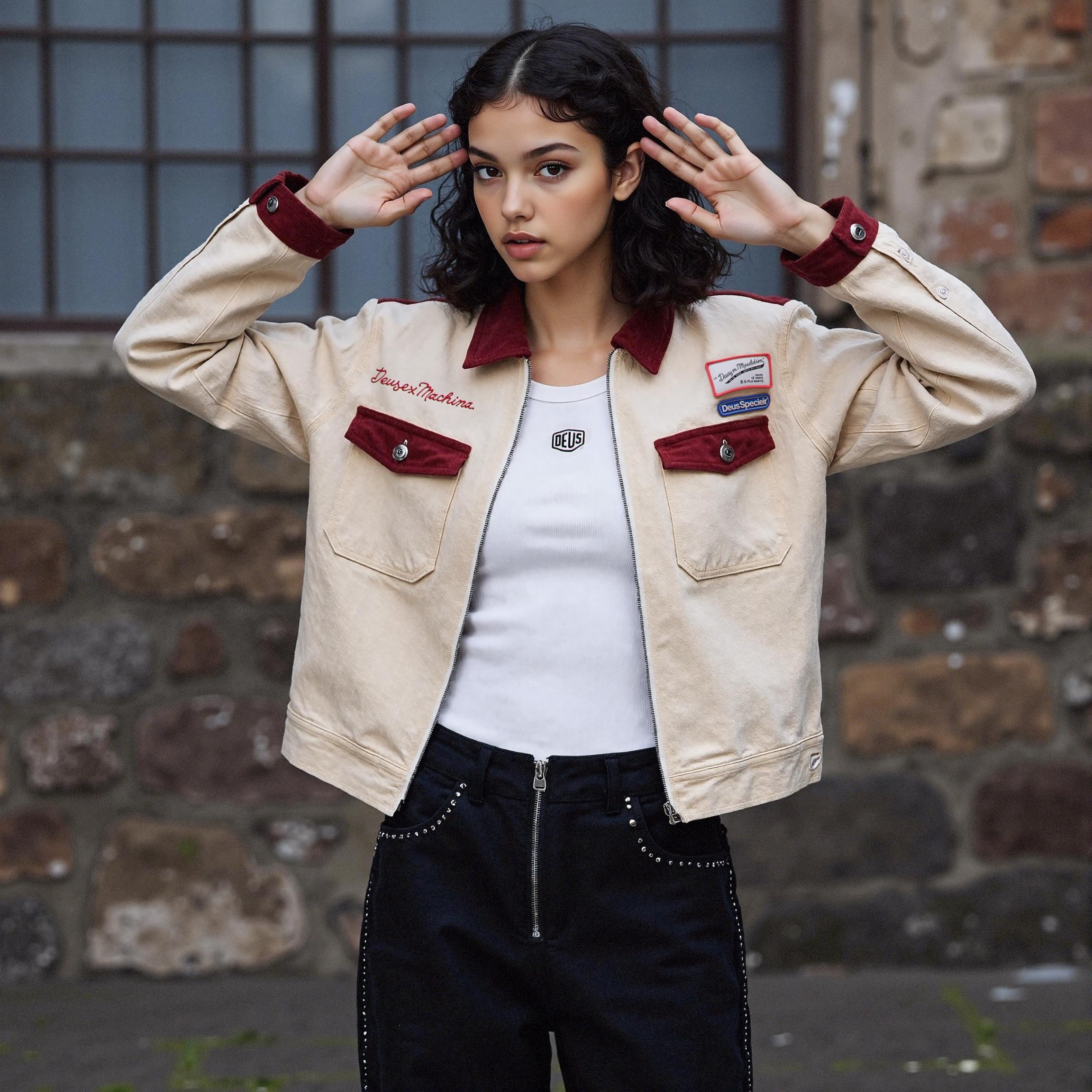
In another, the patch, embroidery, and center logo were repaired sequentially.
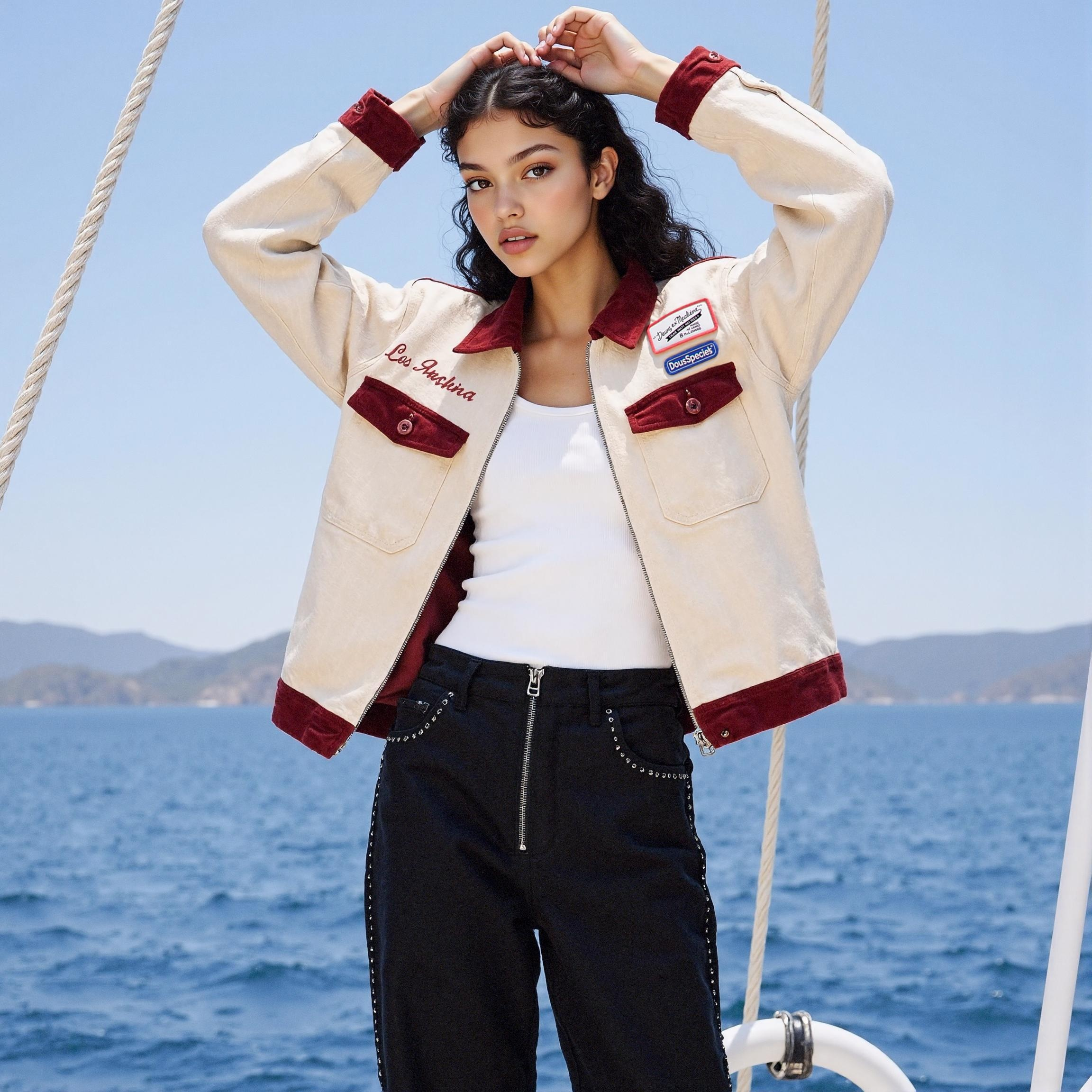
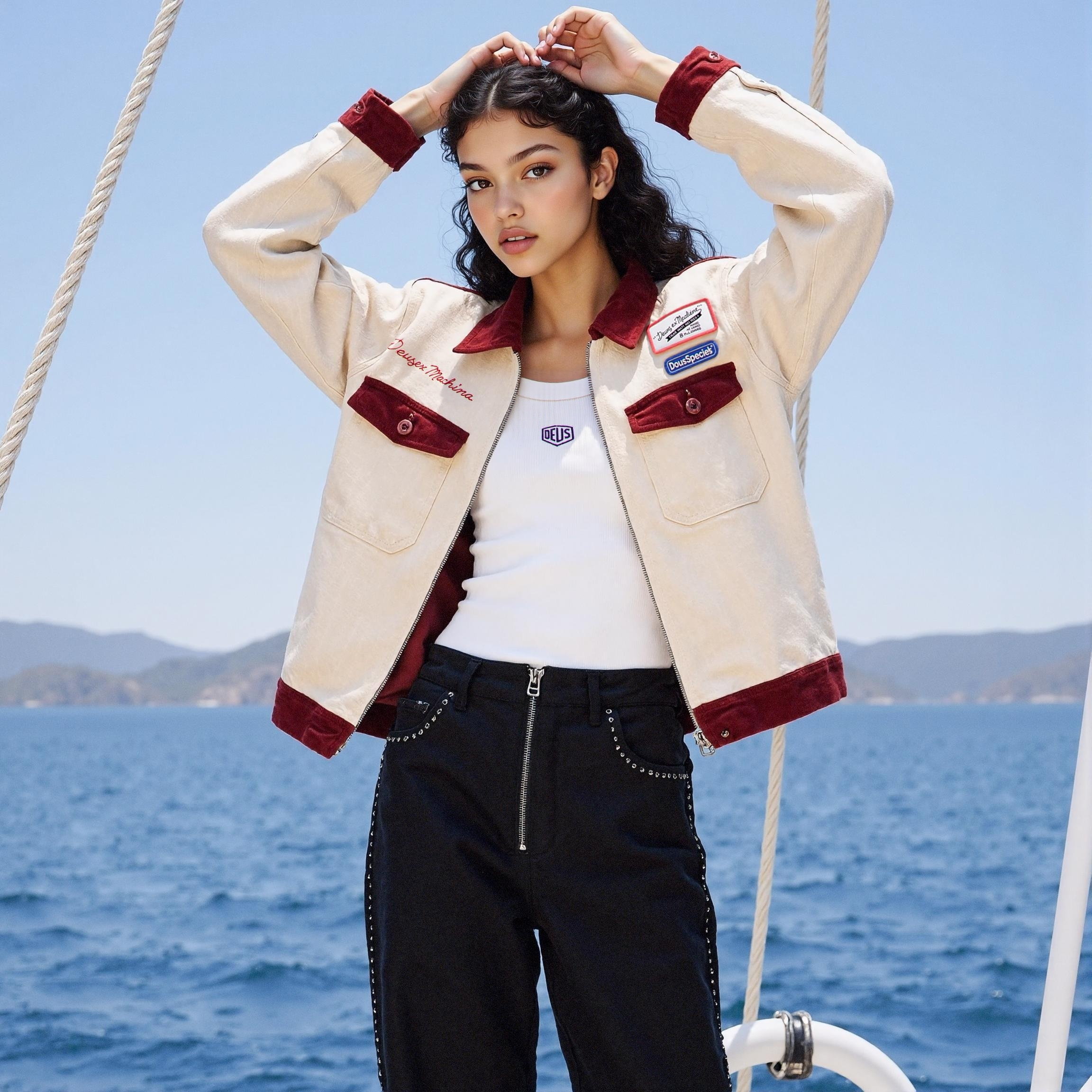
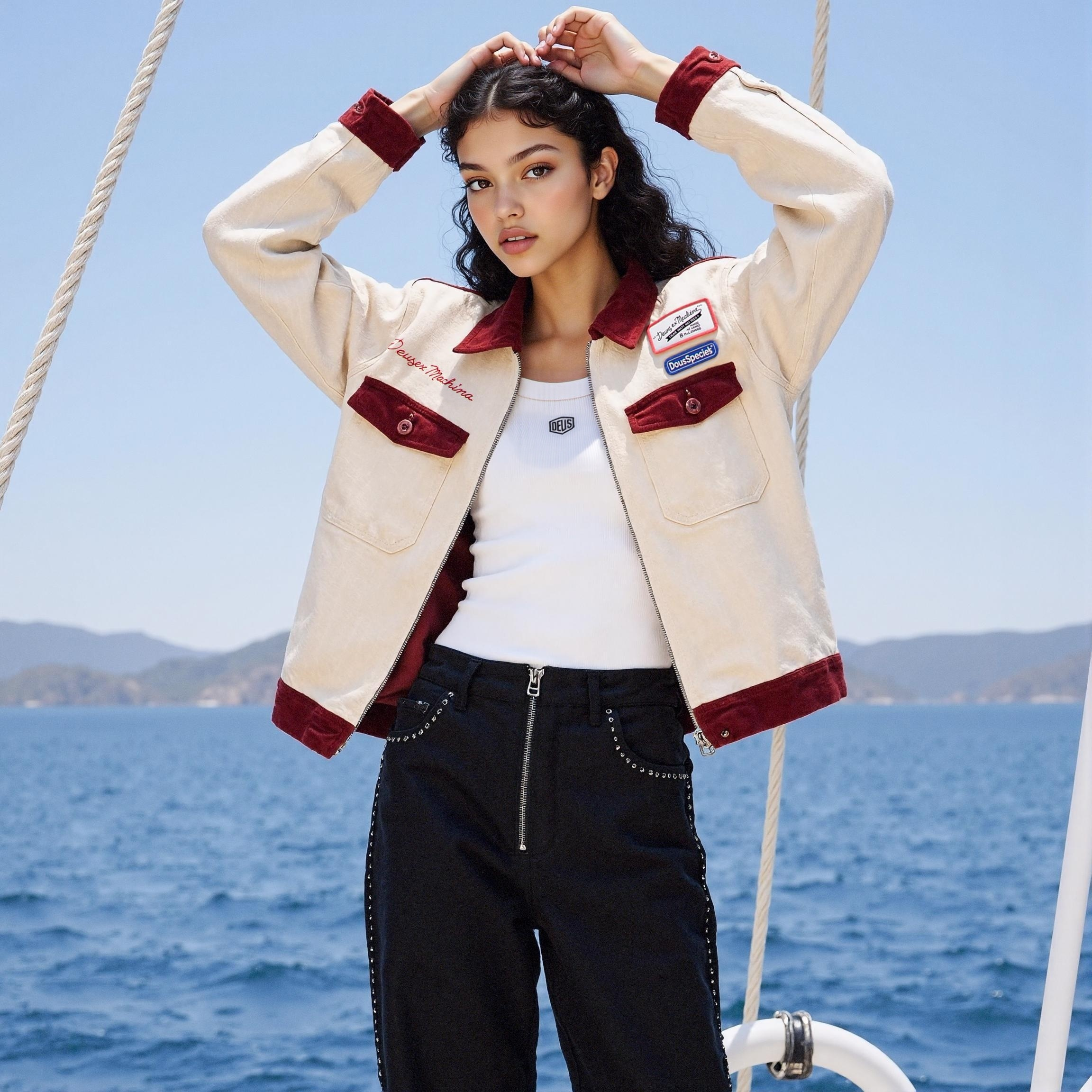
The process kept the product identity intact, while still allowing the scene, pose, and mood to vary freely.
Here are the final corrected results for the remaining images as well.
4. What Fashion Teams Expect Today
Conversations with fashion directors, MDs, and visual teams show a consistent set of requirements:
- The garment must never change
- Details must match the original sample
- Background and lighting can change, but the product cannot
- The final output must resemble a real shoot
If any of these fail, the image cannot be used in a lookbook, product page, or campaign.
This test reaffirmed that precise garment-restoration tools aren’t an optional feature—they’re essential for AI adoption in fashion workflows.
5. Conclusion — In Fashion AI, Accuracy Comes Before Aesthetics
AI visuals are becoming increasingly beautiful,
but for the fashion industry, the priority remains unchanged:
The garment must stay identical.
No matter how polished the background or pose is,
if the details shift, the image loses commercial value immediately.
The recent tests highlight exactly why detail preservation—and restoration—is the defining requirement for AI lookbook technology.
It’s the difference between an impressive visual and a usable one.
More testing insights and workflow tips coming soon.
Digital Fashion Lookbooks That Preserve Brand Identity — LaonGEN Major Update
LaonGEN Fashion AI is redefining how fashion brands produce digital content.With this major update, the platform now supports direct editing and correction of logos and patterns within generated images.Previously, AI-generated lookbooks reproduced silhouet
blogen.laongen.com
Lookbook Quality Comparison: LaonGEN Fashion AI vs. Nanobanana
AI model generation solutions are spreading rapidly across the fashion industry. Many services highlight cost reduction and faster production, but in actual e-commerce operations, the key factor is not simply generating images quickly. What matters is the
blogen.laongen.com
A Canada Goose Lookbook Test with LaonGEN - Case Study
For this test, I used a single Canada Goose sample to explore how far a non-shoot workflow can go when producing lookbook-style visuals with LaonGEN.Outdoor brands typically face more constraints than other categories—weather, lighting, location, timing
blogen.laongen.com