
For this test, I used a single Canada Goose sample to explore how far a non-shoot workflow can go when producing lookbook-style visuals with LaonGEN.
Outdoor brands typically face more constraints than other categories—weather, lighting, location, timing—so the question was simple:
“What kind of scenes can be created when those constraints are removed?”
This post summarizes three points:
- a factual overview of Canada Goose as a brand,
- which design details matter most in visual production,
- and how AI-driven assets may expand the creative workflow.
1. Canada Goose: A factual overview
Founded in 1957 in Toronto, Canada Goose began as a manufacturer of cold-weather gear for Arctic researchers, public agencies, and military teams.
This origin still shapes the brand’s visual and product identity today:
function dictates the silhouette.
Key characteristics include:
- Extreme-weather performance:
The Thermal Experience Index (TEI) categorizes products by temperature rating. - Technical silhouettes:
Quilting structures, down fill, hood shapes, and stand collars directly reflect functional intent. - A fixed brand marker:
The Arctic Program patch placed on the left arm has remained one of the brand’s most recognizable symbols. - Environment-led storytelling:
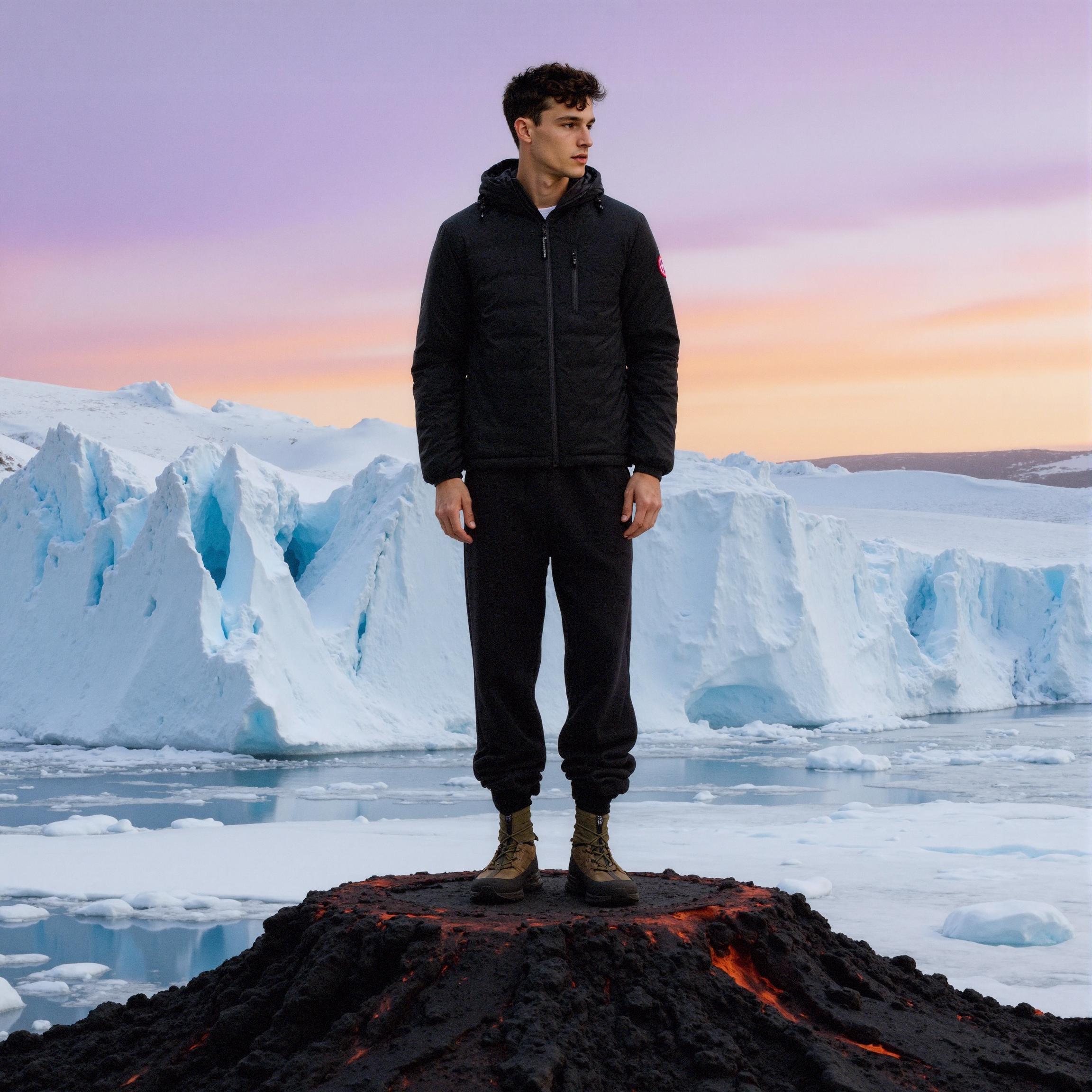
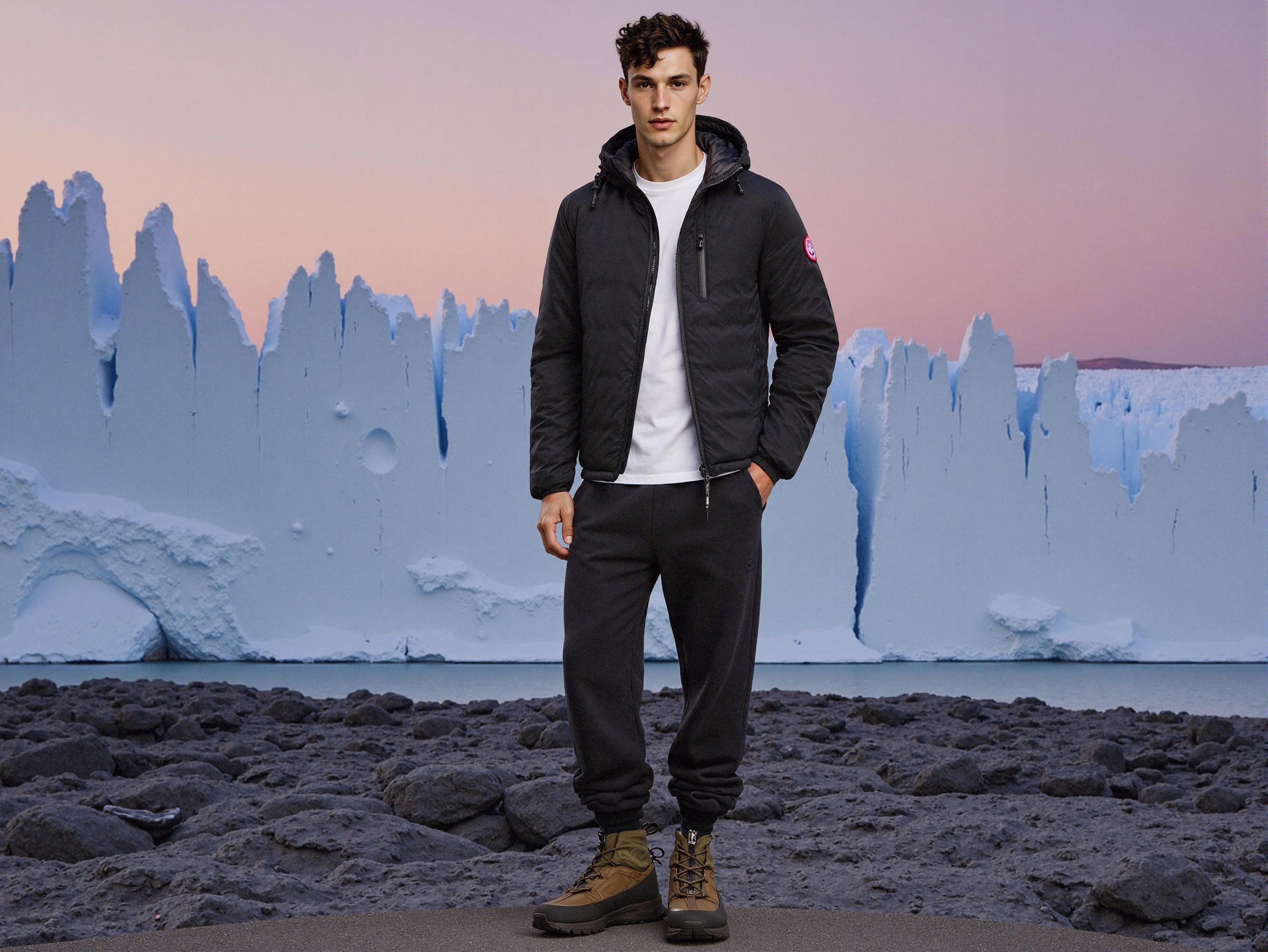
Campaigns often revolve around glaciers, snow fields, open landscapes, and cold urban settings—nature becomes part of the brand narrative.
In essence, Canada Goose visual language is defined by environment, function, and minimalism.
Maintaining these elements is crucial in any lookbook context.
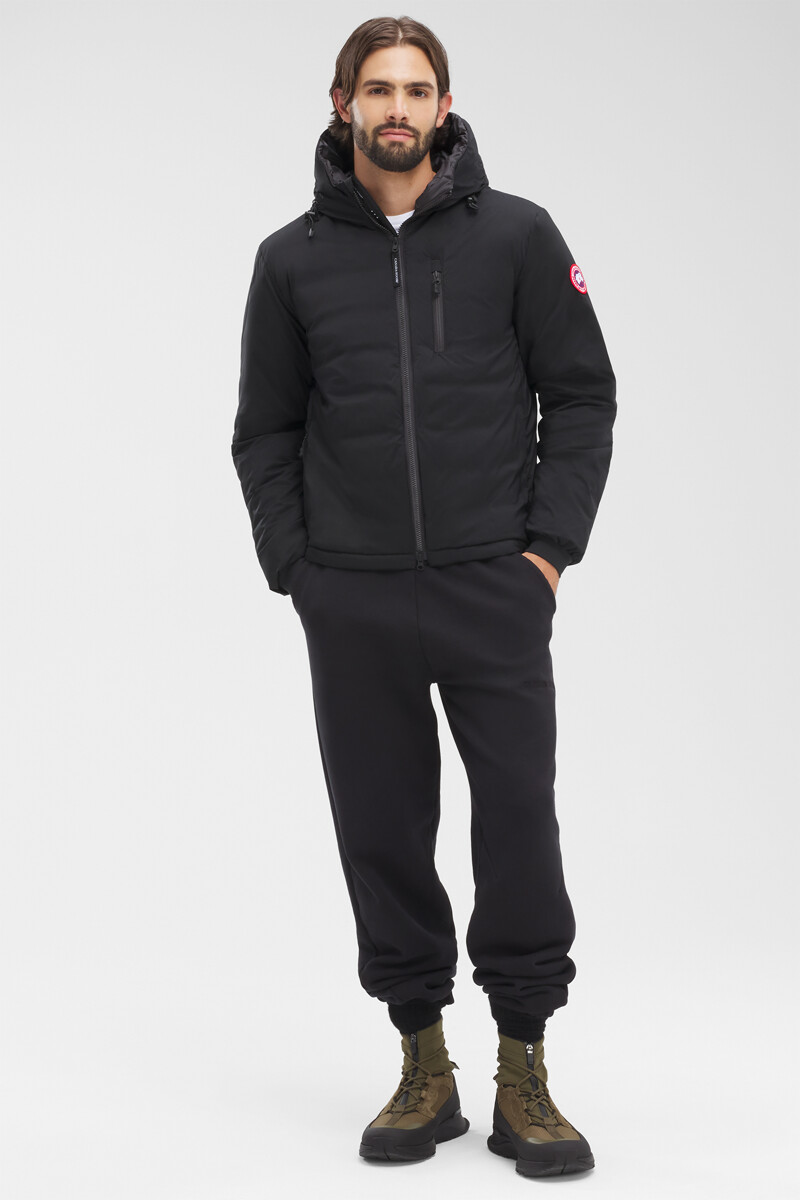
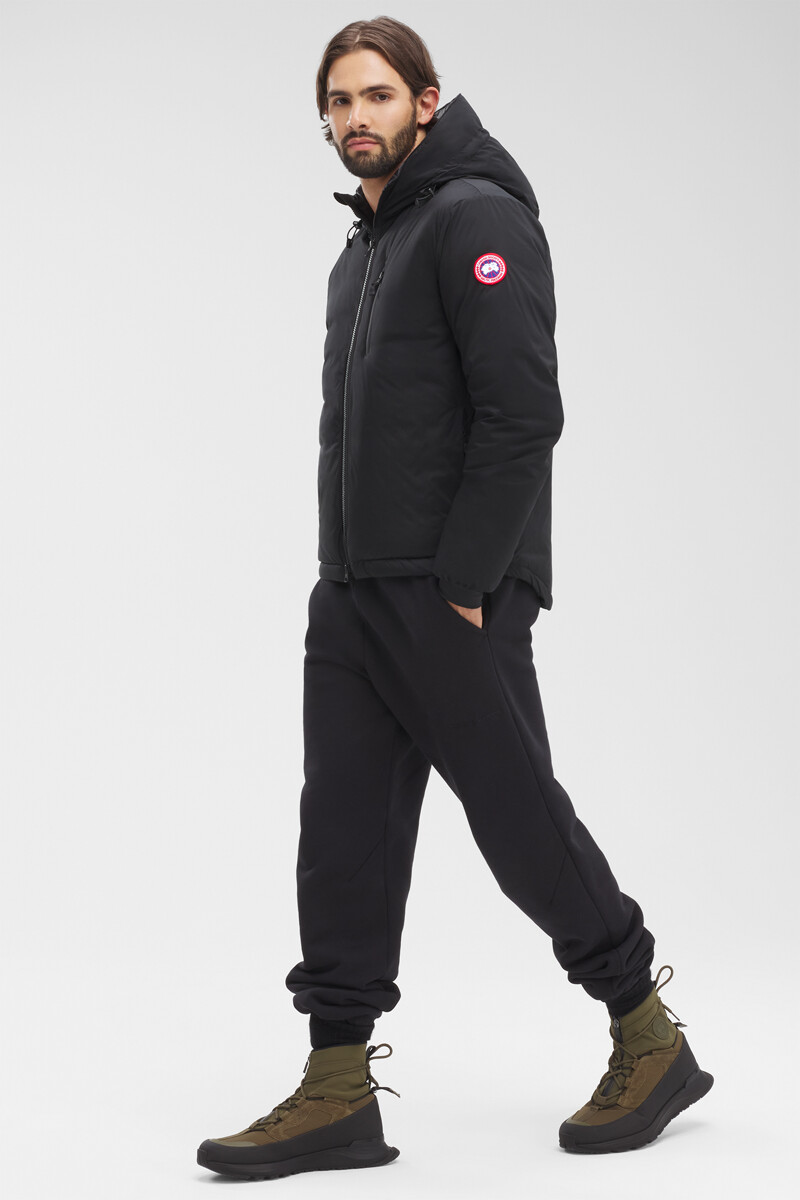
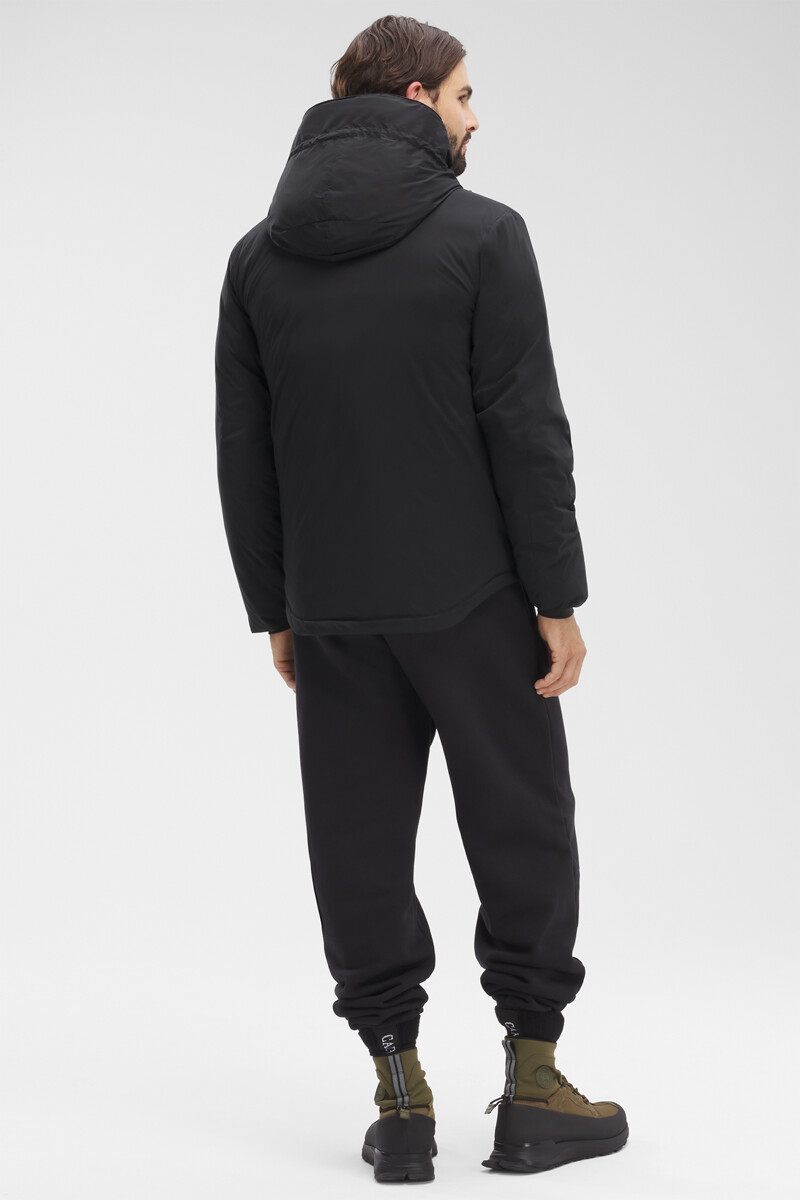
The product featured in this LaonGEN test is the item shown below.
2. What the LaonGEN test revealed
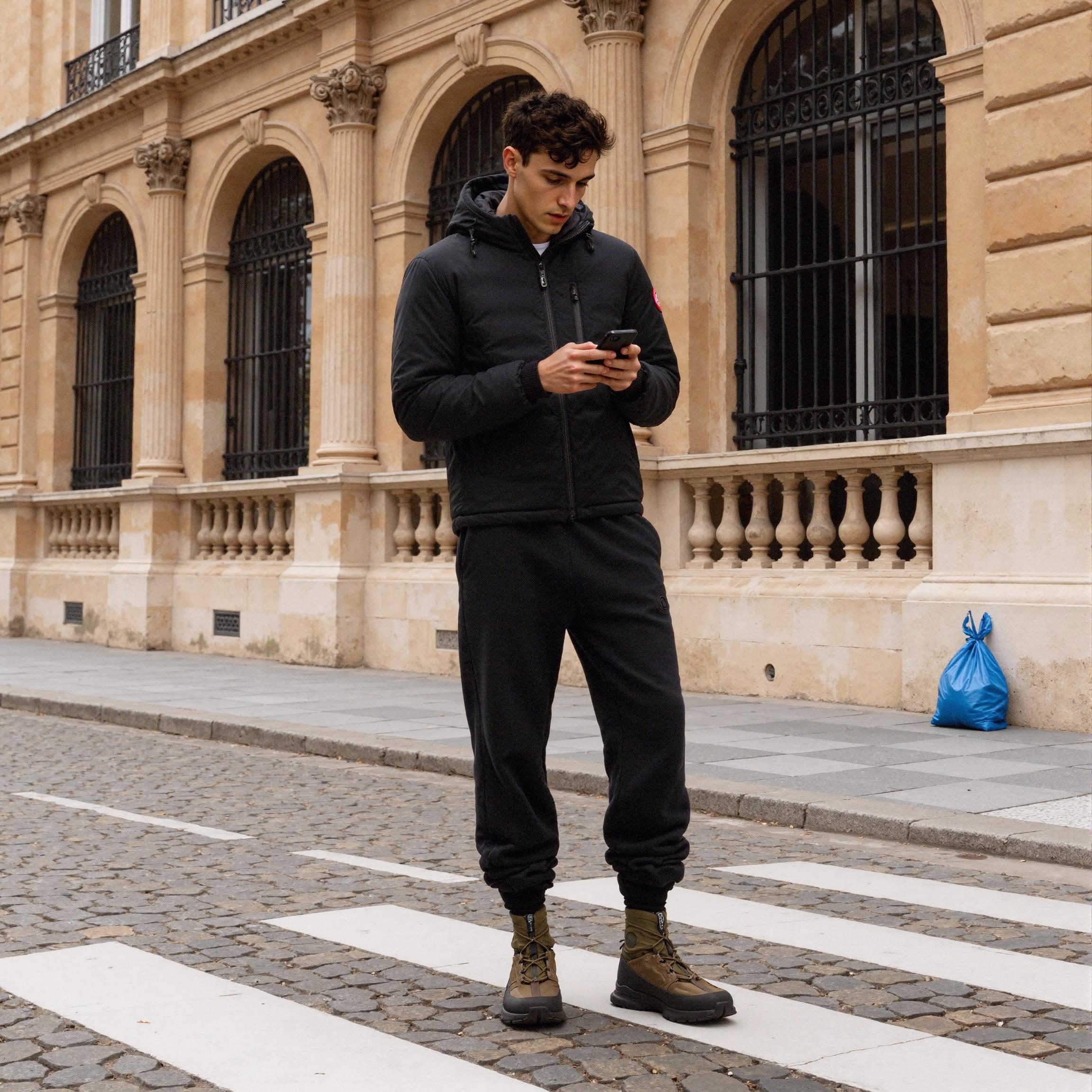
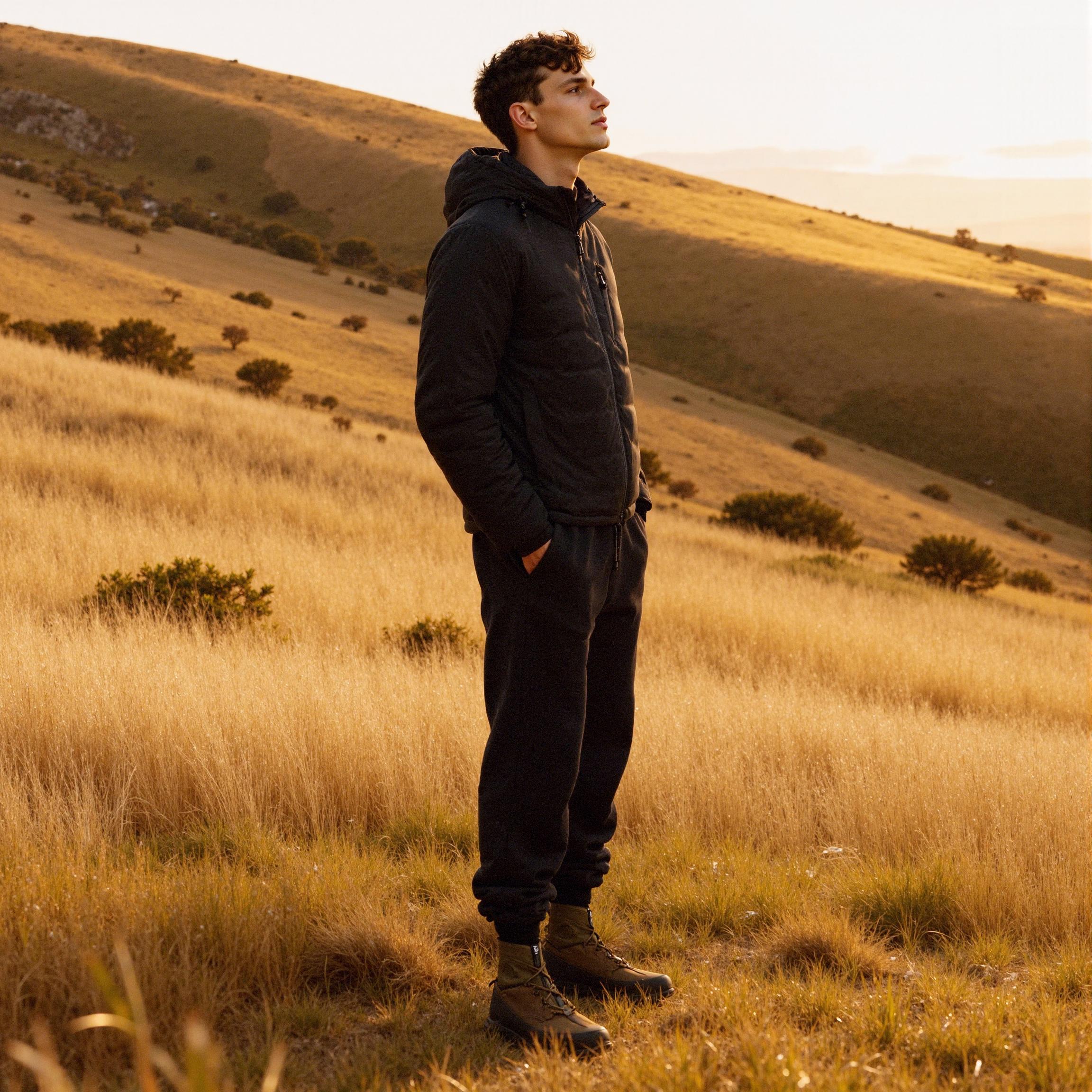
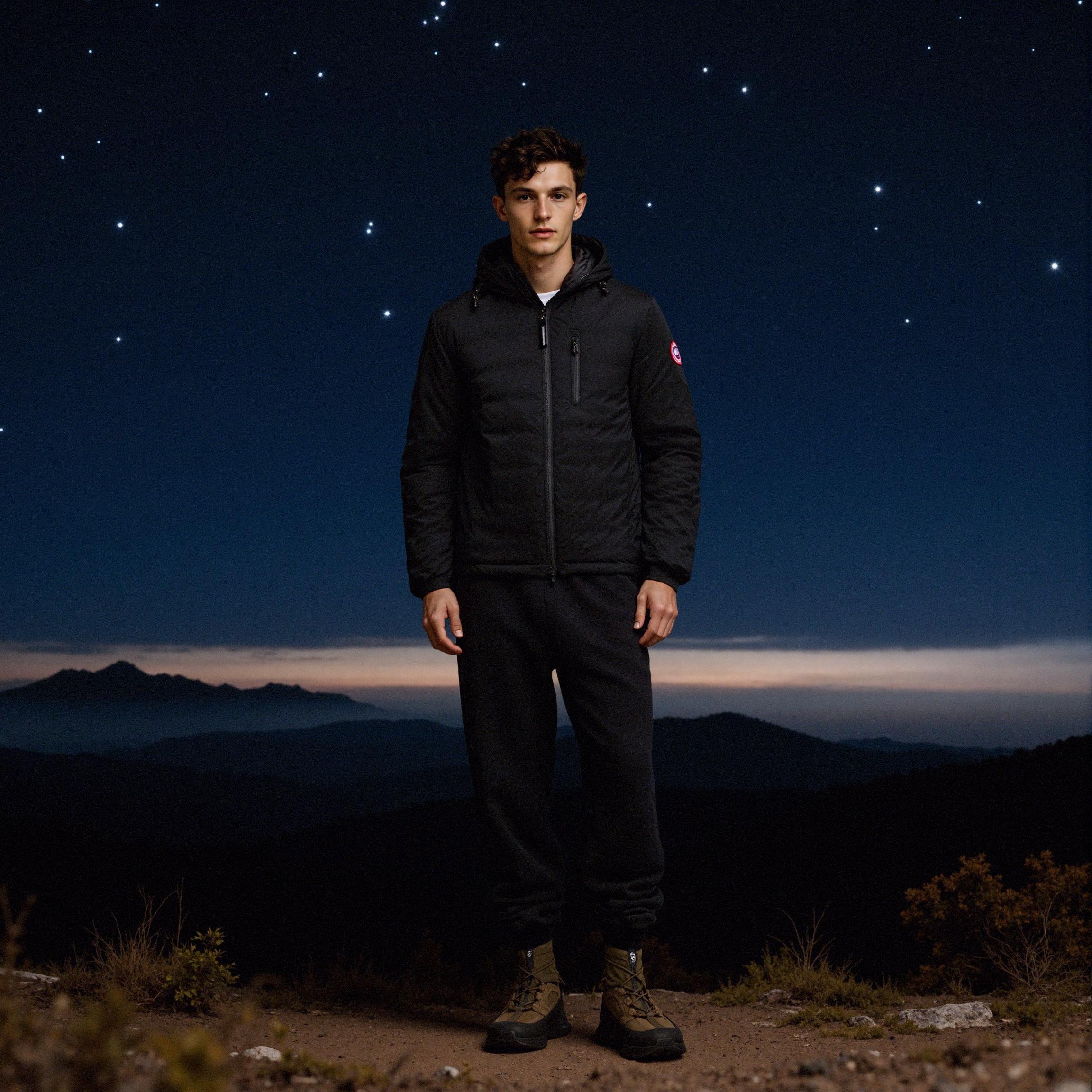
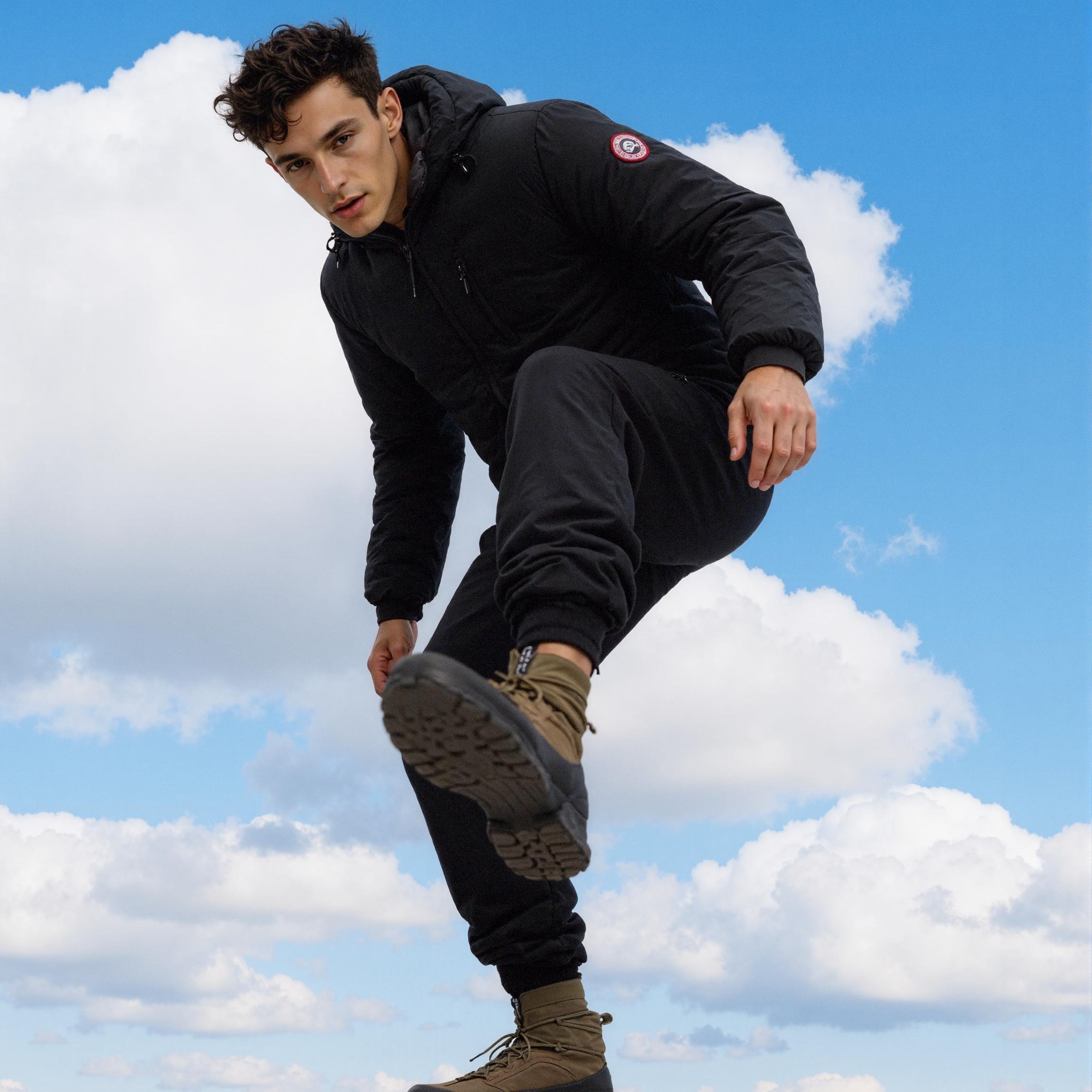
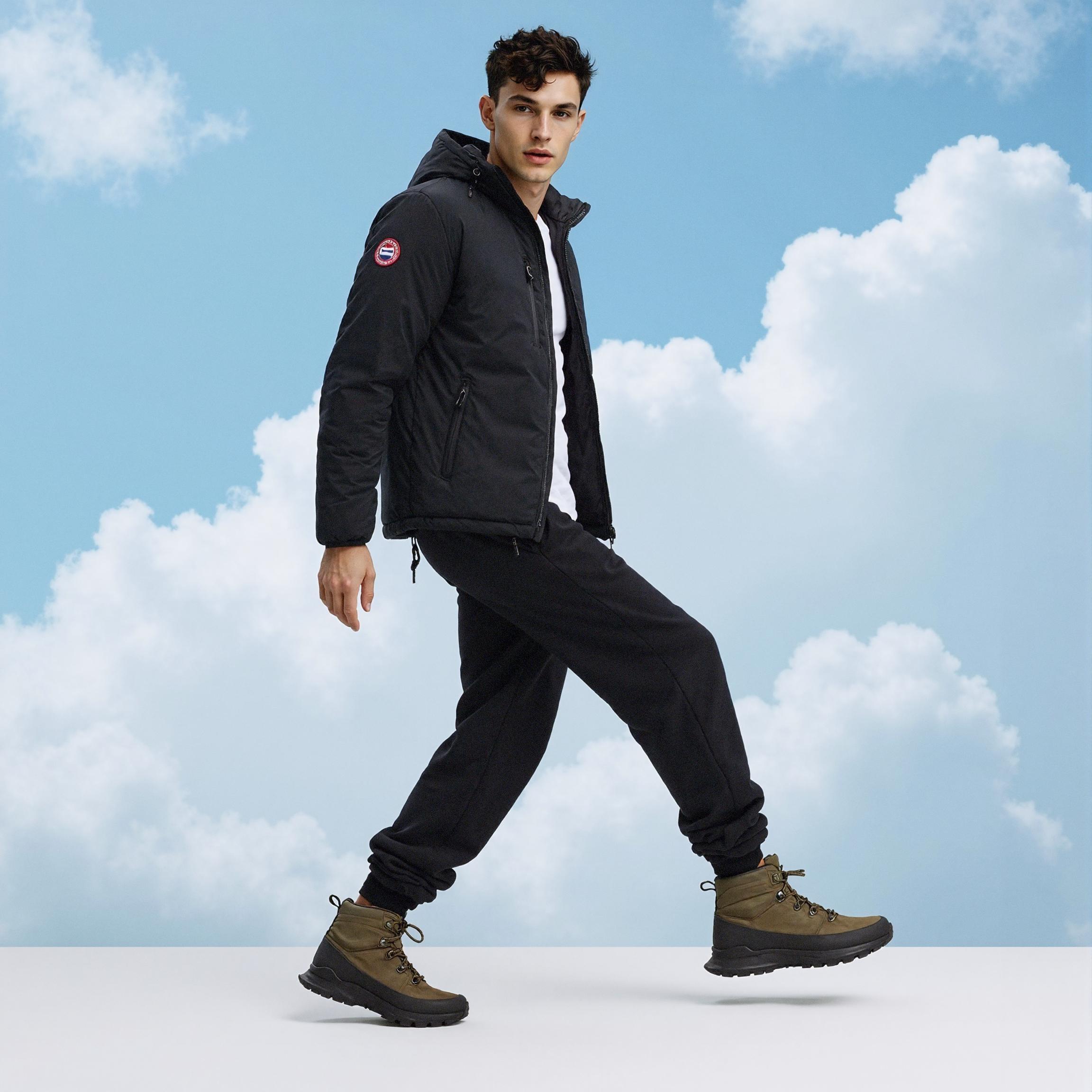
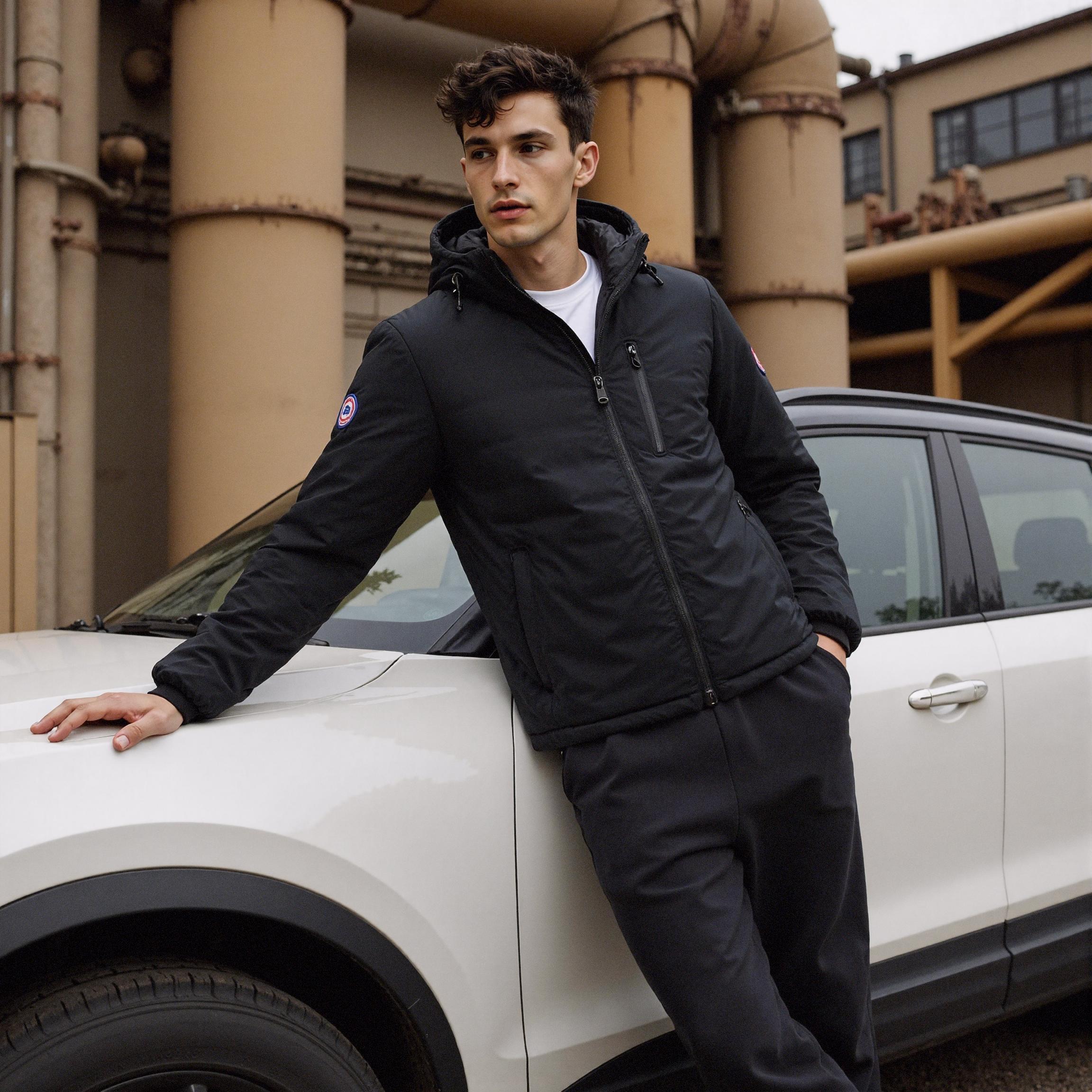
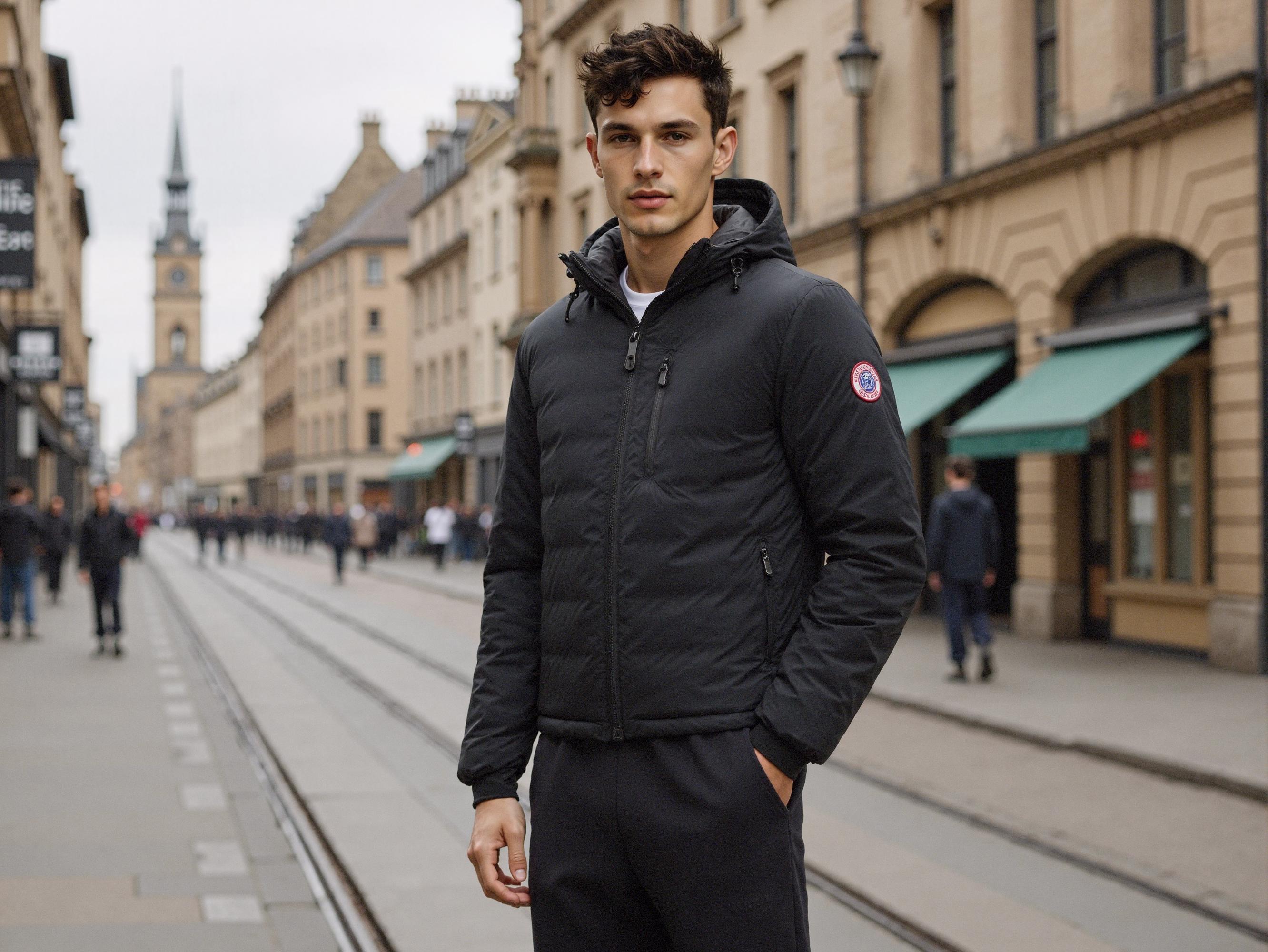
Even with a single sample image, LaonGEN preserved key elements that Canada Goose consistently relies on in its visual communications.
① Structural details remained intact
- Left-arm logo placement
- Down volume and quilting patterns
- Hood and collar construction
- Minimal, function-driven silhouette
Technical outerwear can easily lose its identity if these structures collapse.
In this test, core details stayed consistent.
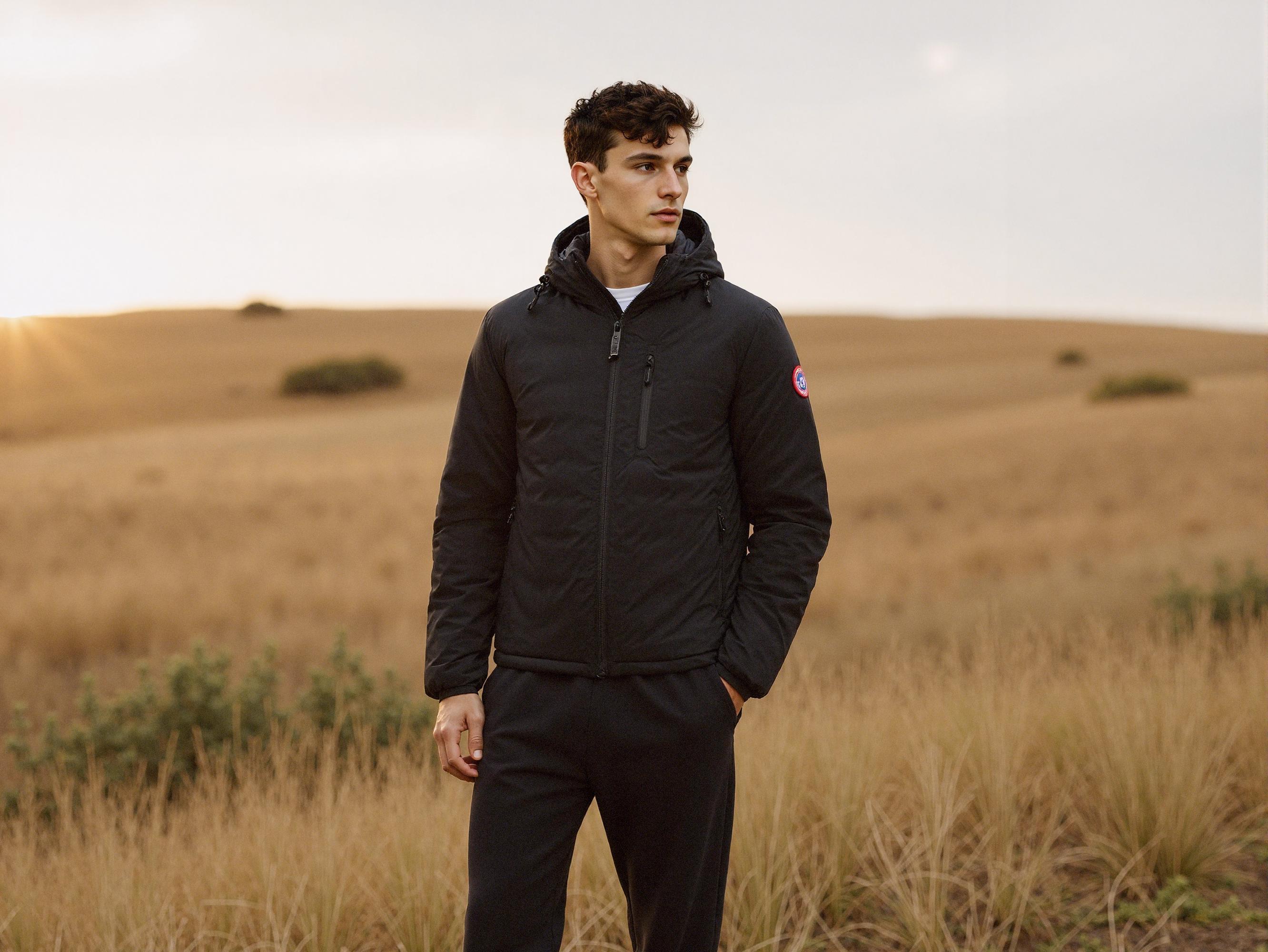
② Natural-light tone and restraint
The generated visuals maintained a soft, natural-light palette—golden hour, cloudy daylight, and low-contrast urban tones—without the aggressive saturation or contrast that often breaks brand alignment.
③ Smooth variation across environments
Without a physical shoot, it was possible to create a cohesive series across:
- glacier settings
- open plains
- cold urban streets
- cloud-based studio tones
For outdoor brands, where the environment itself carries narrative weight, this flexibility offers clear benefits.



3. How non-shoot visuals can expand the workflow
AI visuals do not replace traditional shoots, but they increase the number of viable options within the production pipeline.
① Freedom from climate and location dependencies
For brands tied to seasonal or extreme environments, weather delays and travel logistics are constant variables.
With AI, early-stage concepts and mood tests can proceed without those bottlenecks.
② Multiple regional tones from one product
Outdoor brands often tailor visuals for North America, Europe, and Asia—each preferring slightly different moods.
A single product can now generate variants for multiple markets without additional shooting.
③ Shorter planning and revision cycles
Concept validation, internal reviews, and last-minute adjustments can be executed more quickly.
This reduces the pressure around pre-launch timelines.
④ Consistent mood cuts for digital channels
If the technical structure stays intact, the surrounding environment, pacing, and aesthetic tone can shift repeatedly—useful for mood cuts, digital campaigns, and SNS extensions.

4. Takeaways from this Canada Goose test
Brands whose identity is tied to environment and function—Canada Goose included—can gain meaningful flexibility from AI-generated lookbooks.
In this test, three points stood out:
- technical details remained stable,
- multiple environments could be explored,
- and the planning workflow became more adaptable overall.
Rather than replacing photography, this approach widens the creative and operational choices available during a season.
AI Styled Korean Apparel Without a Single Photoshoot – You’ll Be Amazed
Fashion Industry's New Innovation: KoreanApparel's Lookbook Completed with LaonGEN's AI Technology Every fashion brand faces the same challenge:creating attractive lookbooks and editorials requires enormous time and budget.However, an innovative solution h
blogen.laongen.com
Can AI Really Style Prada? This Editorial Might Convince You
Do you still believe fashion lookbooks and editorials require location scouting and model casting? The landscape is changing rapidly, with AI lookbooks and AI editorials becoming the new standard in fashion content creation.In this feature, we present a so
blogen.laongen.com
How AI Balanced Structure and Softness in Acne Studios
In an industry where design aesthetics continuously evolve, Acne Studios stands out with its distinctive approach to Nordic minimalism. This article explores the brand's signature jacket and shorts collection through a new visual narrative created using La
blogen.laongen.com